


How to Add Green to Your Yard in the Winter Using Evergreens
During the cooler months, it can get pretty dreary outdoors after all the leaves have fallen. Luckily it is easy to add some color back into your yard with the use of evergreens! Another advantage of these plants is that they are relatively low maintenance requiring only a prune now and then. They are quite hardy as well, so they can survive where other plants might not! There are plenty to choose from in the Charleston area too, and a whole host of ways to mix and match them to suit any situation. Here are some tips to make your dream of a greener winter garden come alive!
Plant Choice
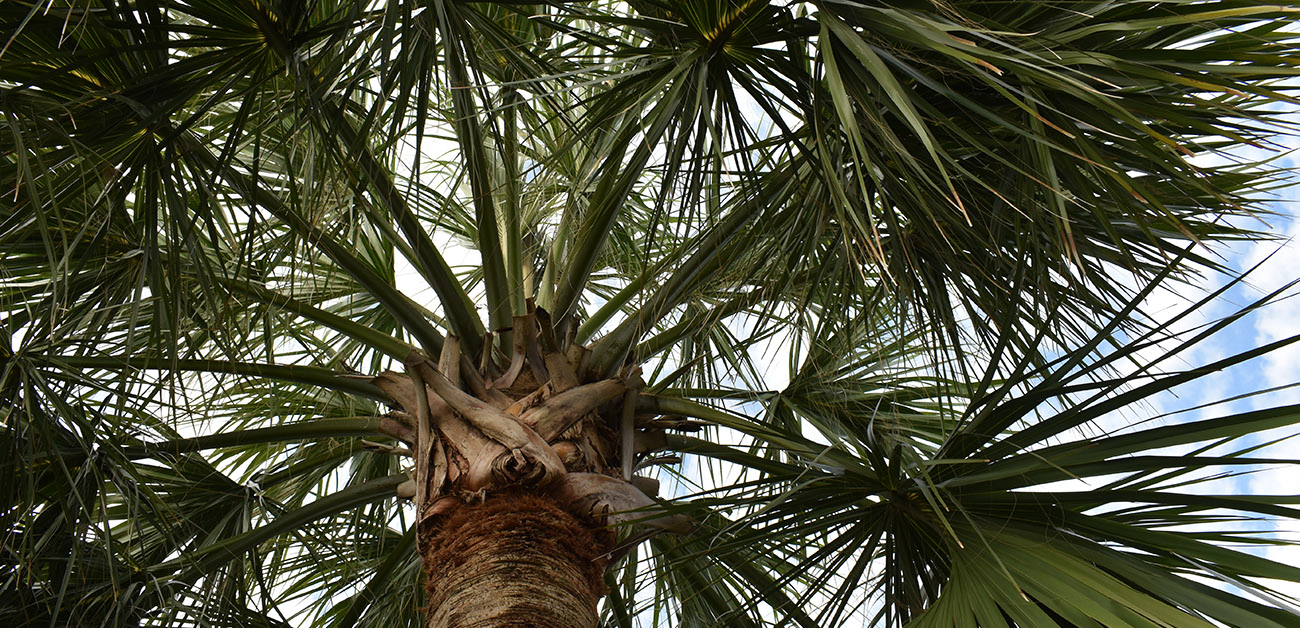
Dozens of evergreens can be planted in our area, so deciding on what to put into the ground can be tough. Luckily, we have a few types that we recommend frequently! For large spaces, you can place trees such as the native cedars or holly, or you can opt for a classic South Carolina symbol, the sabal palm, which is the same as on our state flag.
If you have a little less space you can choose some shrubs to liven up your yard. Podocarpus is a good choice as it can be whatever height you want, be it 3 feet or 12, though because of this it requires a little more maintenance if you want it to be kept a consistent height. You could also choose sweet viburnum, which blooms in the spring, or pineapple guava, which blooms in early summer. If you just can’t wait and want blooms in the winter, camellias bloom during the colder months so you can have something flowering all year long!
For groundcover and small spaces, a couple of good options are breeze grass, asian jasmine, or junipers. If you want to spice things up, you can also add rosemary. Groundcover also has the added benefit of preventing soil from washing or blowing away thanks to their root beds.
Plant Placement
Now that you have your evergreens, where do you put them? There are many ways you can use an evergreen to heighten the appeal of your yard. You could plant two trees such as holly to frame the view of the marsh, for instance. You could also use your new plants as focal points, creating a place to draw the eye. This is best done by combining different textures of plants, meaning that you put plants with different leaf sizes and shapes together to make them look more interesting. Some good examples of this are viburnum & podocarpus or ligustrum & sasanqua camellia.
Another good use is to plant evergreen shrubs at the corners of your house, providing visual anchors to the space. You could even take this a step further and plant them at the edges of your yard, creating a barrier or privacy wall, depending on the height of what you are planting (podocarpus is great for this as they are hard to see through and look good when placed close together). Lastly, you can use evergreens to fill in blank spots or spaces that would otherwise look empty without them. Keep this in mind if there is a part of your yard that looks great most of the year, but dead in the winter now that all of the leaves have fallen off. Just make sure that everything still gets enough sun!
Extra Advice
Even if you aren’t looking to plant evergreens, planting in the winter months is ideal, as the cooler temperatures reduce stress on the plants and allow them to focus their energy on root growth rather than leaf growth. This gives them ample time to get situated for the spring. They also need less watering, so it is easier for you too.
Most evergreens are disease resistant, so it’s harder for them to get sick. This along with the fact that they only require occasional pruning makes them ideal for people without the time to look after their plants daily or who want to focus their attention elsewhere.
Unfortunately, depending on where you live in the lowcountry, the deer may eat certain types of plants. It varies widely area to area because as the more deer there are in one spot the sparser food gets and the less picky they are. As time goes on they might eat something they would not usually like. It usually takes experimentation to find out what they will and won’t eat, but having worked all over Charleston for more than a decade, we can be of help if you need it.
Now that you know the basics of how to use evergreens in your yard, get out there and start planting! And if things get overwhelming, you can always contact us.


