


How Adding Edging to Your Yard Will Make Your Life Easier (and Your Yard Look Better!)
Making the best decision on how to take your yard that much closer to perfection is not easy, but there are always ways of doing it. Adding edging to your pathways or plant beds in your yard is an excellent step toward making the perfect greenspace, and lowers the amount of maintenance you have to do as well.
Edging helps your yard by separating and defining the spaces of your yard with a solid barrier. It is a little abstract, but every benefit you gain can be stripped down into this core concept. The separation helps defend against weeds and invasive plants by creating a root barrier that prevents them from spreading from one area to the next. It also prevents soil and mulch from washing out of the plant beds during heavy rains. And if you install edging that is the same level as the ground, it can make mowing easier by providing both a guideline and a buffer area that will protect delicate areas of your yard from being accidentally chopped.
Besides making it easier to take care of your yard, edging also makes it more appealing to look at. This is because the human eye likes to be able to separate things into categories such as “flower garden”, “gravel path”, “driveway” or “vegetable garden”. By giving the areas a more defined beginning and end, you accentuate the areas more than they would be without clear definitions. By adding edging to the side of driveways or similar areas, you can turn something completely utilitarian into a negative space that allows your eyes to rest for a moment before going back to the complex parts of your landscape. You can still take in the yard as a whole because no part of the greenspace has been blocked from view, but now the eye can go from one place to the next in a more comfortable way.
With the combined benefits of function and form, adding edging to your landscape also increases curb appeal and home value, making it cost-effective to add as your next project. But what material should you use? Several common types of material are used in the construction of edging, which is listed below along with what style or theme they generally go with.
Brick
Bricks have a classic and uniform look that can lay flush with the ground along paths. They can also be raised to add shape to the barrier if you so desire. They work excellently as mower guides too, thanks to how easy it is to line them up properly.
Stacked Stone
These have a very natural look that works well for rustic or understated areas. They look great when used for raised beds and have the added benefit of allowing water to flow more freely between them, making drainage less of an issue. Depending on where you live, stone can have a big price tag though, so check to see if it is affordable before planning to use it throughout your yard.
Steel
One of the most modern of edging types. Durable and long-lasting (if you get treated metal that will not rust), it is also fairly subtle, so it does not take away attention from the rest of your yard. Unfortunately, using metal as edging is not a do-it-yourself kind of project unless you have the tools and know what you are doing, so you may have to find a contractor to do the work for you when getting it installed.
Wood
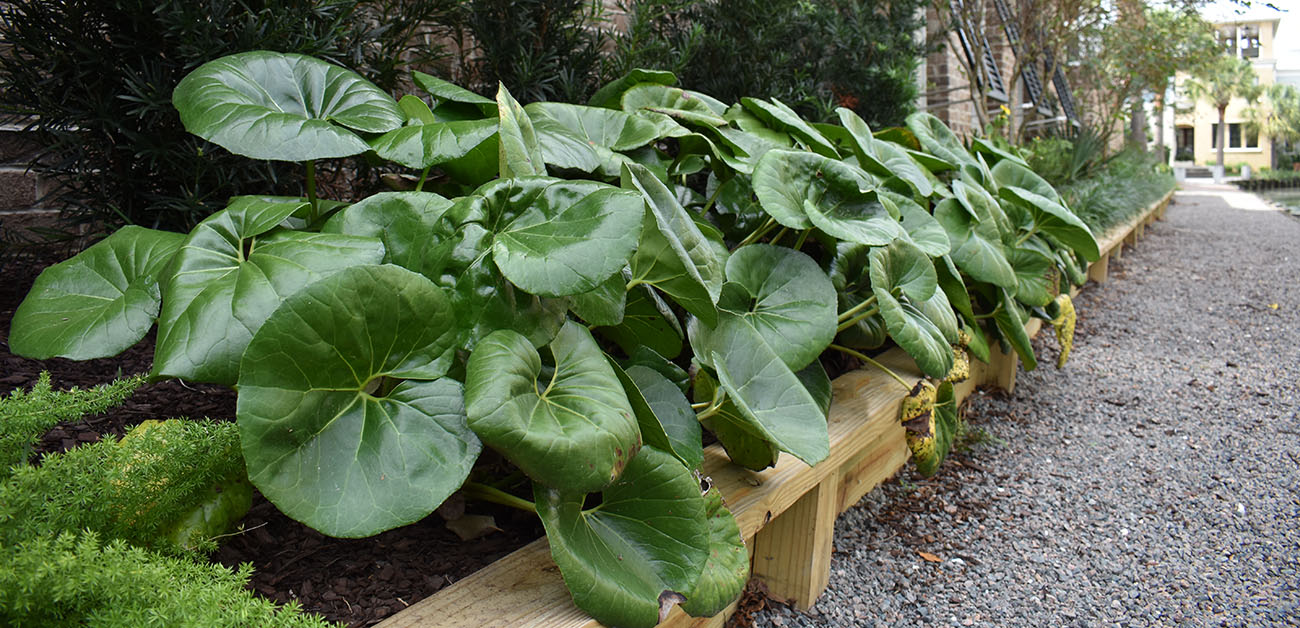
Another rustic look that looks great in gardens and classically themed areas. Rail ties often look bold and beautiful if you have the space for them. When selecting this material, make sure that you get treated wood so that it will last longer. If not, it will rot away over time (some people prefer this too, just know that it will need to eventually be replaced).
It can be hard to choose which edging material you want to use for your property, but after you have chosen your material, you can start installing edging around your yard (or having someone else do it if you are like me). Soon after, your yard will look great and be that much easier to take care of!


