


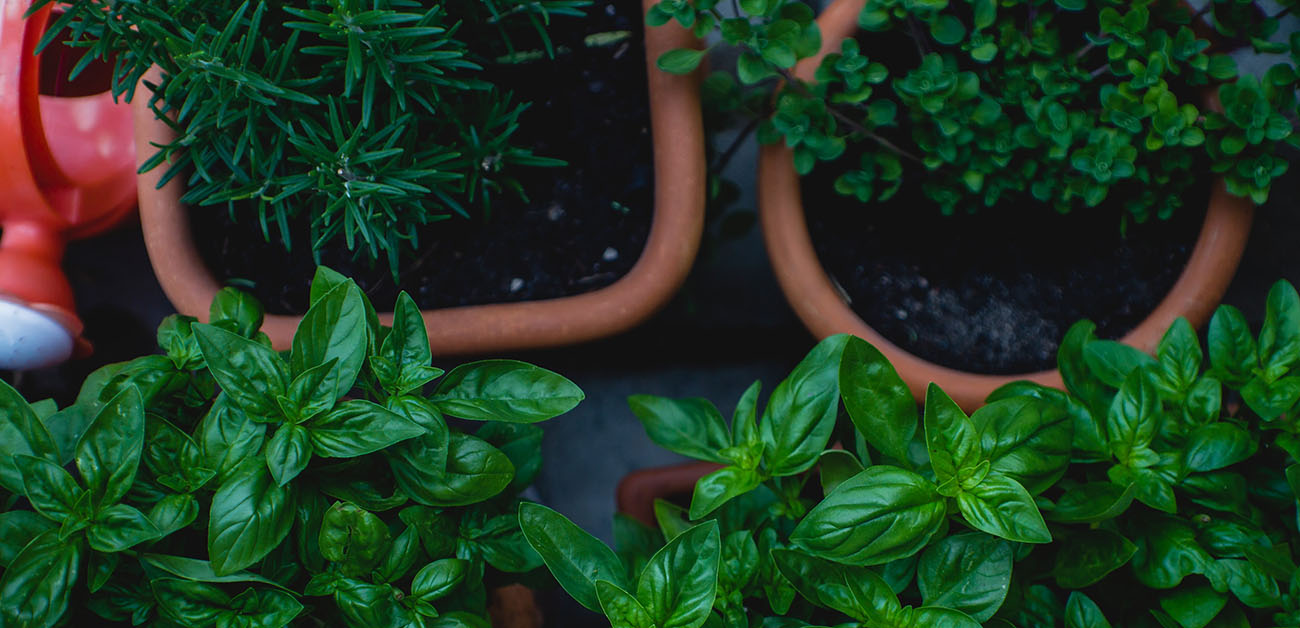
6 Herbs That Will Kickstart Your Garden
Whether you are looking to cook, make tea, or just want something aromatic that helps you relax, herbs are a great (and natural) way to accomplish these goals. There are many to choose from, but some grow better in the Lowcountry than others. You also gain a sense of accomplishment knowing that you grew something not only pretty but useful too. Once you finish the article, you will know the essentials of what herbs are and how to care for several different species.
Before talking about specific plants, there are some general things to go over first. To start, what is an herb anyway? A plant is an herb if its leaves, flowers, or seeds are used for something useful like seasoning or a scent in perfumes. Anything that isn’t a fruit or vegetable but we still use for one reason or another. Because this definition is so wide, you should always read on how to best care for whatever you plant. You should also know when your first and last frosts are for your area. The times change city to city but are easy to find out thanks to the internet.
1. Basil
Almost all herbs can be consumed in some way or another, but some more than others. Basil is one of the most notable examples of this. Basil is the most popularly grown out of the bunch because it is easy to grow from seed. It can also be made to grow larger by pinching off the pair of leaves at the very end of a stem, including the very tip of the stem underneath them (it should look like two leaves stuck together by a tiny nub). This creates two new shoots. The process can be repeated multiple times. You should plant basil around two weeks after the last frost.
2. Oregano
This herb is used in many Italian dishes and is known for its sharp taste. Oregano can sometimes take over patches of your garden, so it may be best to plant it in its own space. When harvesting, trim the stems down, leaving three inches of space. You can use them fresh or dry them. To dry, tie them together and hang them somewhere with low humidity. Once dried, remove the leaves from the stem and crush them up. Oregano should be planted several weeks after the last frost. Make sure that the soil is at 70 degrees before you put it in the ground.
3. Parsley
Parsley is frequently used as a garnish or accompaniment to other herbs. Its taste is commonly described as “fresh,” and most agree that the flat-leafed Italian variety has the most flavor. When planting parsley, ensure that it is in moist soil. When harvesting, go from the outside in as new growth sprouts from the center. Since parsley is slow to germinate, you should plant them three weeks before the last frost. Make sure to water the seeds daily so that they do not dry out! A final note is that parsley is biennial, meaning that it stays leafy in its first year, and then flowers and goes to seed in its second before withering.
4. Spearmint
Spearmint is an iconic herb used in both cuisine and teas. Its signature taste makes it wonderful to have in the garden but be careful, mint is known for being a quick grower and can overtake an entire plot quickly. Because of this, you should plan to keep it in a separate container or a window box. When planting spearmint, it will be easier to get a starter instead of planting from seed. This is because the seeds have trouble germinating and can be hard to get one to take root. The plants are perennial and should be planted after the last frost of spring.
5. Rosemary
Another herb that is popularly used in tea blends, but is also known for its aroma. It is a shrub that can grow up to 5 feet tall and is fairly hardy. It dies down into dormancy in winter but comes back when the temperatures begin to rise again. Harvesting rosemary is simple. Cut a few 3-inch sprigs off of the longest branches, tie them into a small bouquet, and then hang them in a warm, dry place. Once the leaves begin to fall off on their own, you can brush the leaves off of the sprig into a container. The best time to harvest is in the spring and summer just as the flowers begin to bloom. This is when the leaves have the most flavor. Planting from seed is a slow-going process, but rosemary is easy to grow from cuttings and you can also simply buy a starter. Whatever way you decide to plant, after the last frost in spring is the best time to do it.
6. Lemongrass
One last thing to be wary of when caring for your pollinator garden is the improper use of pesticides. Pollinators are affected by the spray, too, and are killed if they come into contact with it. There are measures you can take to reduce the chance of harming your pollinators when you treat your plants, however. Most importantly you should avoid spraying a plant (even weeds) when it is in bloom. Since bees and butterflies are attracted to the flowers on the plant, they will become poisoned and die. You can also reduce or completely remove pest prone plants in your garden. Once all of them are gone, it is less likely that you will need pesticides in the first place. You must also be careful not to overspray a plant. If you do, the excess will drift over to another plant that bees are interested in. Make sure to read the label on any pesticides that you buy; they will warn you if they are specifically dangerous to bees. However, even with a pesticide that doesn't list bees as one of the bugs targeted, it is still recommended that you avoid pesticides where you can.
When you are cooking a meal, making a pot of tea, or looking for something aromatic, herbs are a must. So why not make a garden that will give you your own? Now that you know a few things, you are ready to plant as much as you like. Once everything is set up, you’ll be reaping the benefits in no time at all!


