


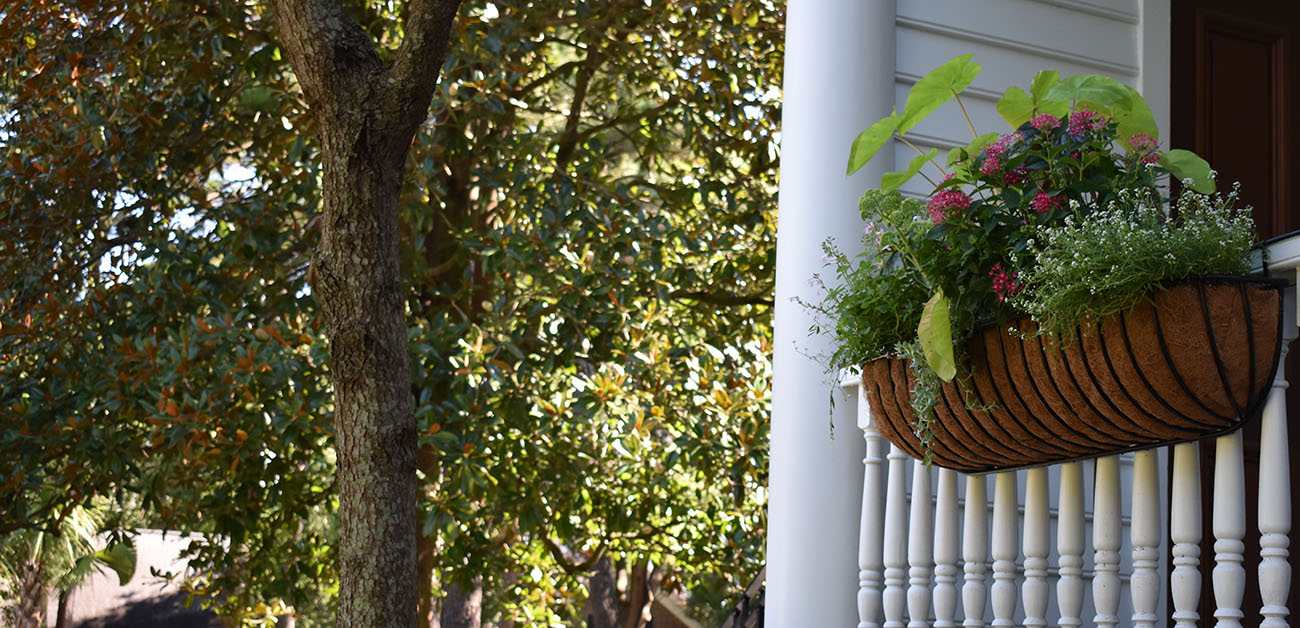
What's in the Box?! A Guide to Making Your Own Windowboxes
The sun is out and a lot of people are looking for something to do outdoors. Many people have gardening at the top of their list, but what about people with no space or a bad back? The answer is window boxes, small plant containers that hang from the windowsill or railing of your home. Not only are they great space savers and require less leaning, but they are fairly cheap to make in comparison to replanting an entire flower bed or adding shrubbery. They are also great for adding a personal flair to your home. There are several types of boxes to choose from, and dozens if not hundreds of local plants that could be planted inside. That means that the chances that your window box design will be completely unique to you are pretty high! Other advantages include ease of access and protection from ground-based critters like moles or weevils. Deer can’t reach them either if you place the box above the first floor.
If you are interested in installing your own window box, the first thing you need is, of course, the box itself. There are two main types of window boxes: wooden boxes and wrought iron frames with coir (coconut) fiber lining. The wooden boxes can be painted or have trim added onto them to give them a more personalized look. That doesn’t mean that the iron frames lack personality though! They look great on almost any style of house, especially those looking to capture the “old Charleston” vibe. Once you have your box and have installed it onto where you plan to keep it, you can get started on preparing it for your plants. Wooden boxes need a way for the water to drain out of them so that the soil and plants don’t start to grow mold. Most pre-built boxes should come with holes already drilled into them, but if not you should add them yourself. On the bottom of the box, you should add a layer of packing peanuts so that the water has an easier time filtering through. You could also use gravel, but since you want to keep the box as light as possible so that it doesn’t fall, we don’t use it often on our installs. If you have gotten a wrought iron frame, the coir lining is already an ideal filter, so you don’t need to add anything extra.
Now that you have drainage figured out, you can add potting soil (don’t forget a little fertilizer) and start planting. But what to pick? There is a lot to think about, but I’m going to include three different types of recommendations to help you get started. When buying plants, it’s best to think about how much sun the box is getting first, so you can narrow down your options. Then you should think about adding in a variety of different types to make the window box more exciting. For a box placed in the shade, for example, you could add in an asparagus fern to give some height, caladium & impatiens for a billowing look and some blooms, and creeping jenny or variegated ivy which both hang off of the box. The process is similar to an area in full sun, but we are switching the plants out with ones that can deal with heat better. A combination of dracaena (the spiked grass variety) for height, angelonia & pentas for volume and blooms, and finally some potato vine which hangs off the side. These plants make for a great start for your first window box, and they all grow well in the Charleston area.
Once everything is planted, it is important to know how to care for the plants. First, there is no “best” or “worst” time to plant so you don’t need to worry about what season you put them in the ground. The plants should be fine as long as they are well cared for. Watch out for creatures that like to munch on your plants' leaves like caterpillars, slugs, snails, aphids, and whiteflies. Slugs and snails leave shiny trails that lead you right to them, so they aren’t as sneaky as some of the others. Getting rid of a pest quickly is important to the plants’ health! Even more crucial is keeping your plants watered. You should aim to water the plants once a day to keep them from wilting. Plants kept in the shade may only need water once every two days, but should still be looked after when it is particularly hot outside.
As a last tip for those who like to give back to mother nature, you can plant salvia or lantana in your window box. By planting these you’ll attract pollinators like butterflies, hummingbirds, and bees when the plants bloom, and just like their name suggests, they help pollinate the plants in the area around you and keep them fed. If you follow all these steps, you should be well on your way to having an amazing window box that adds a special touch to your home.


